Das Paradies für Vogelbeobachter

Eine spannende Suche nach Ugandas Vogelwelt Schätzen

Destination

Uganda

Base Price

From $ 0 Per person

Trip Duration

22 Days

Trip Overview

Diese 22-tägige Vogelbeobachtungs- und Wildtier- Safari durch a7> Uganda bietet ein eindringliches Erlebnis in den vielfältigen Ökosystemen des Landes, die sich von den üppigen Budongo Forest Reserve bis hin zum legendären Bwindi Impenetrable National Park. Mit einem Schwerpunkt auf Vogelarten Arten, führt die Tour die Teilnehmer durch a32> renommierte Vogelbeobachtungsorte wie beispielsweise die Murchison-Fälle, Kibale, Queen Elizabeth Elizabeth, und Lake Bunyonyi, bieten Möglichkeiten zu sehen über 400 Arten. Reisende können außerdem Bootsfahrten und Safari-Fahrten sowie Besuche bei den Einheimischen genießen. und einen Besuch im abgelegenen Dorf Kiyebe, bekannt für seine lebendige Gemeinschaft und kulturelle Erlebnisse. Optional Gorilla und Schimpansen Tracking kann hinzugefügt werden, was das Abenteuer bereichert.
Highlight Experiences

term-img
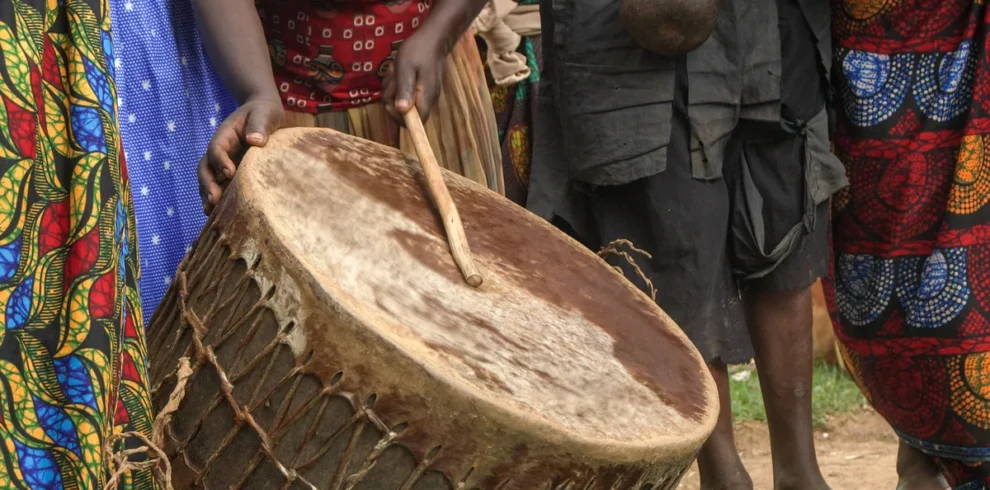
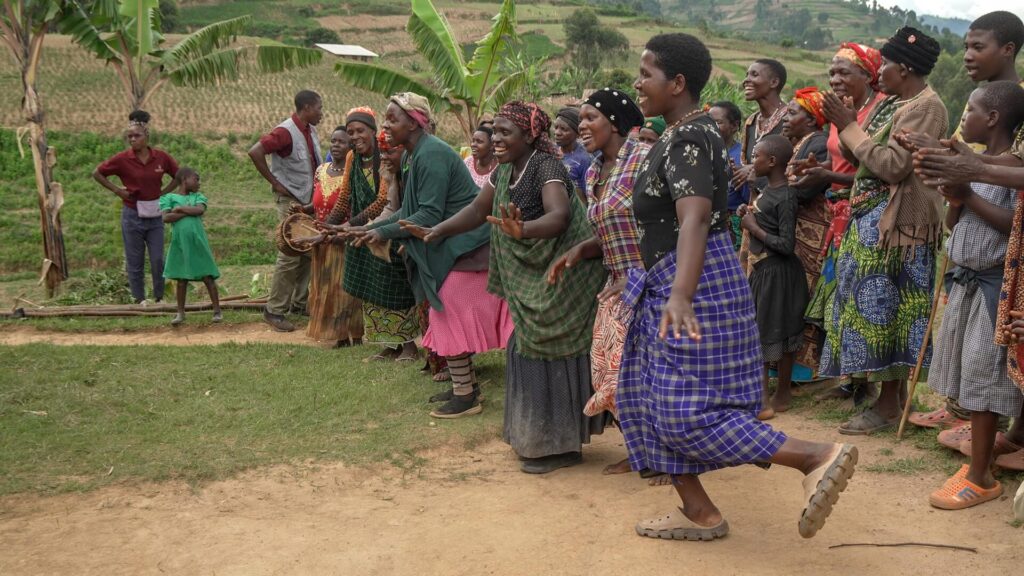
Authentisches Dorf Erlebnis in Kiyebe
Besuchen Sie das abgelegene traditionelle Dorf in der Nähe des Heims des Gründers von Kikooko, wo Sie Bäume pflanzen, sammeln Honig, teilen Bier mit Einheimischen, und feiern mit Gesang und Tanz.
term-img
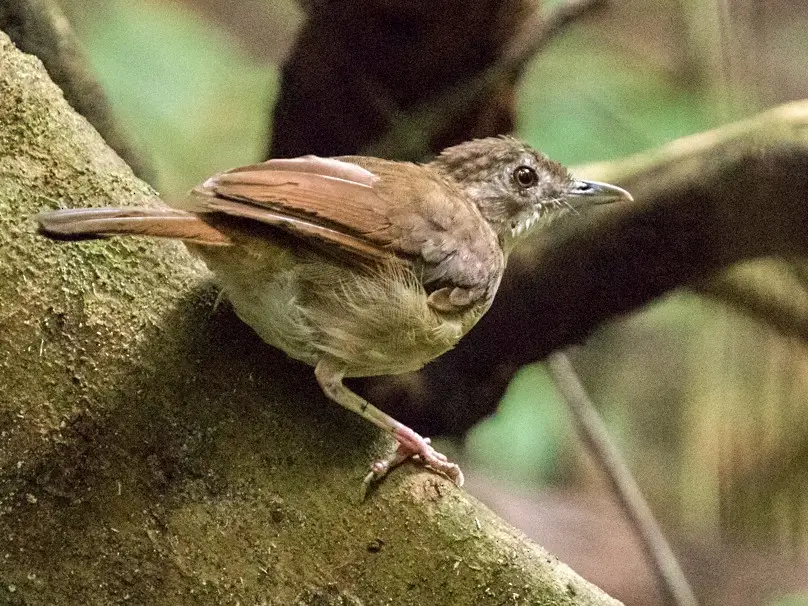
Budongo Wald Vogelbeobachtung Paradies
Entdecken Sie über 360 Vogelarten entdeckt darunter der seltene Gelbfuß- Fliegenfänger und Illadopsis Puveli (die nirgendwo anders in Ostafrika zu finden ist), sowie der Schwarzmantel-Apalis und der Gelbschnabel-Bartvogel.
term-img
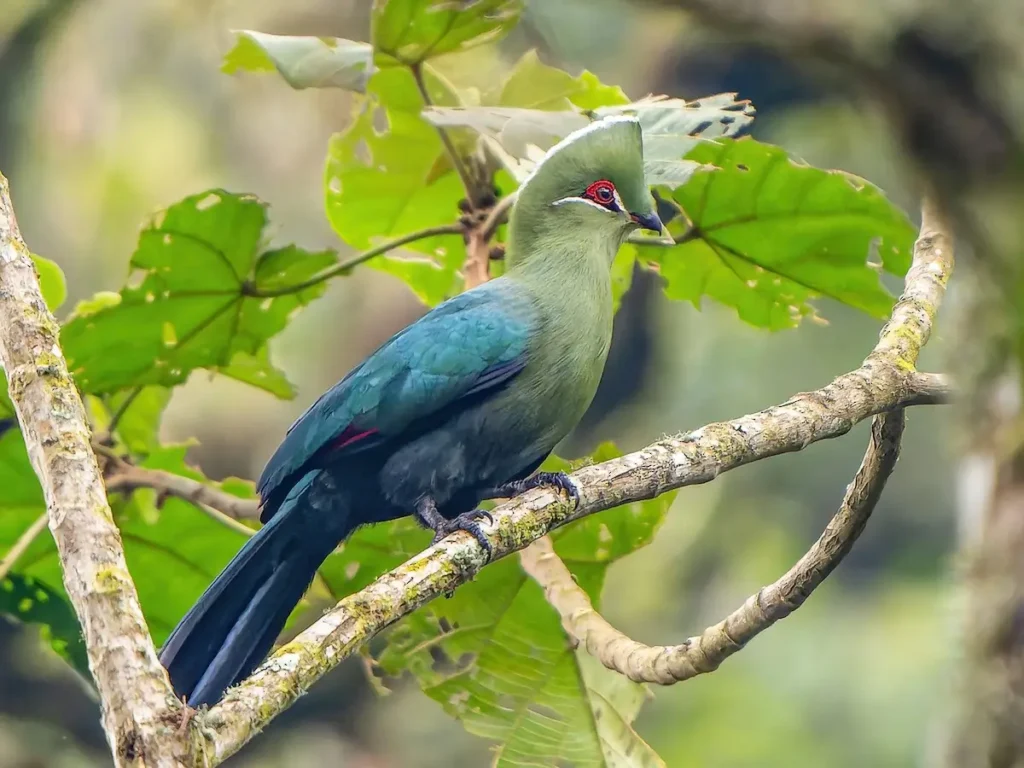
Bwindis endemische Vogelarten Schätze
Spot 23 endemische Arten in diesem UNESCO Weltkulturerbe Weltkulturerbe Standort, darunter Graukehl-Bartvogel, Schwarzschnabel-Turako, Afrikanischer Grün- Breitschnabel, und die seltene Grauer's Schilfrohrsänger.
term-img
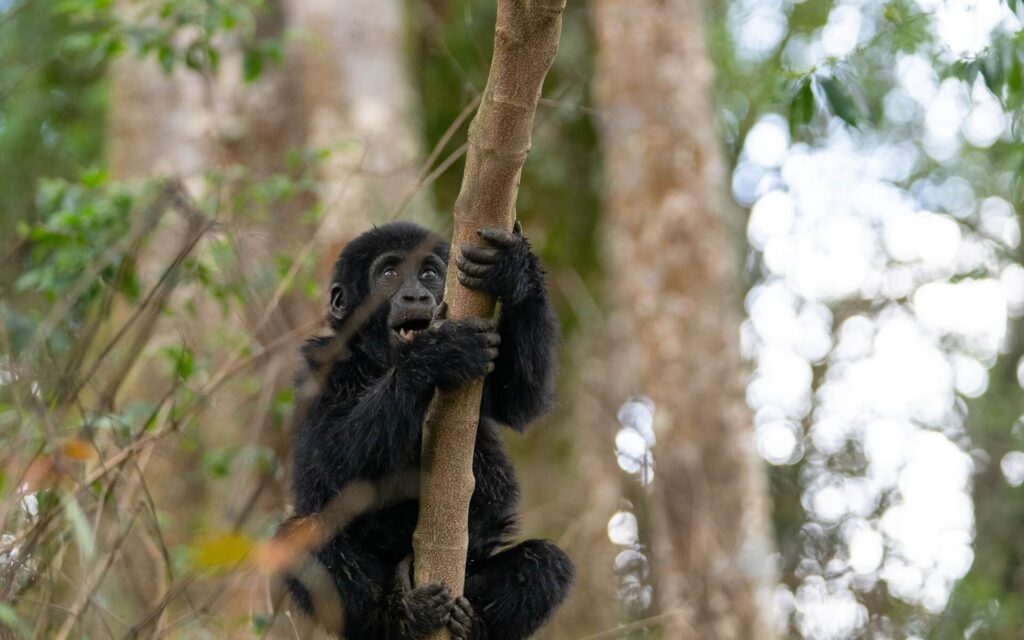
Gorilla-Beobachtung im Bwindi Impenetrable Forest
Wanderung durch neblige Bergwälder für eine einmalige Begegnung mit gefährdeten Berggorillas – eine 2-6 stündige Wanderung die zu den größten Reiseerlebnissen Ugandas zählt.
term-img
Seltene Wald Arten in Semuliki
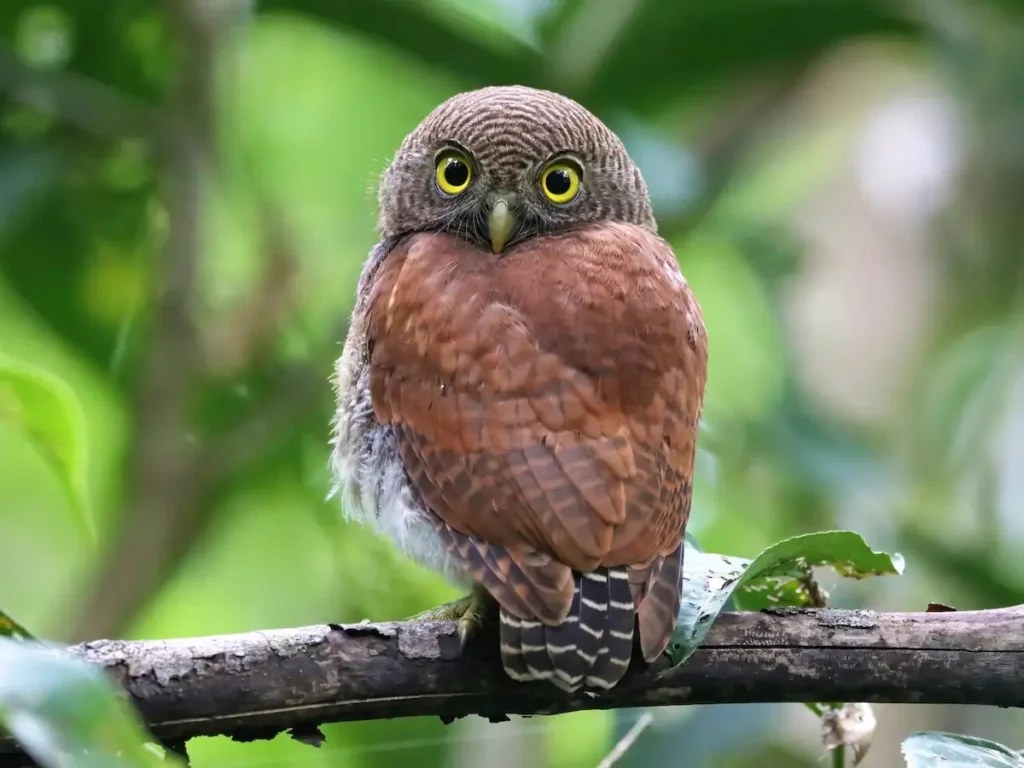
Spüren Sie seltene Vögel in Ugandas führendem Vogelbeobachtungsgebiet auf den Spuren darunter die Kastanien-Zwergohreule, der Schwarzhaubengefiederte Wattled-Hornvogel, und den Blauschnabel-Malimbe unter den über 400 registrierten Arten.
term-img
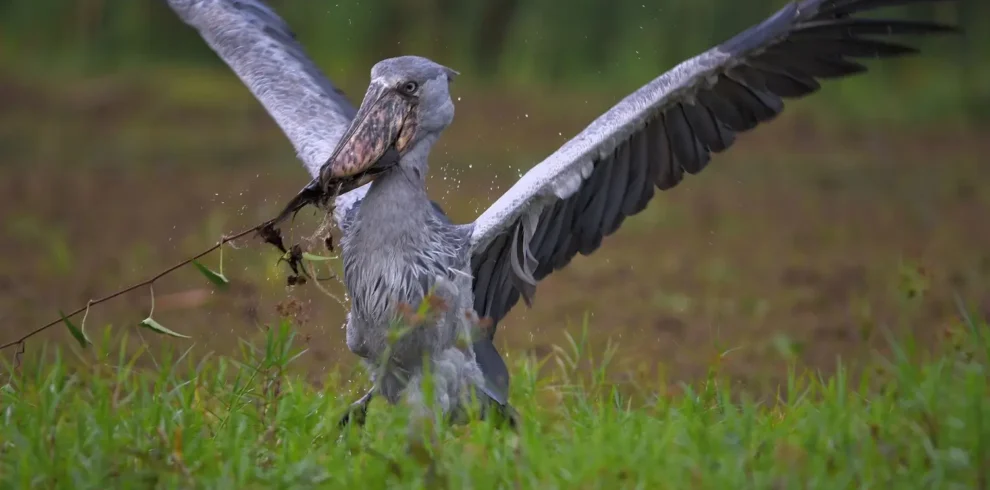
Suche nach dem prähistorischen Schuhschnabel Storch
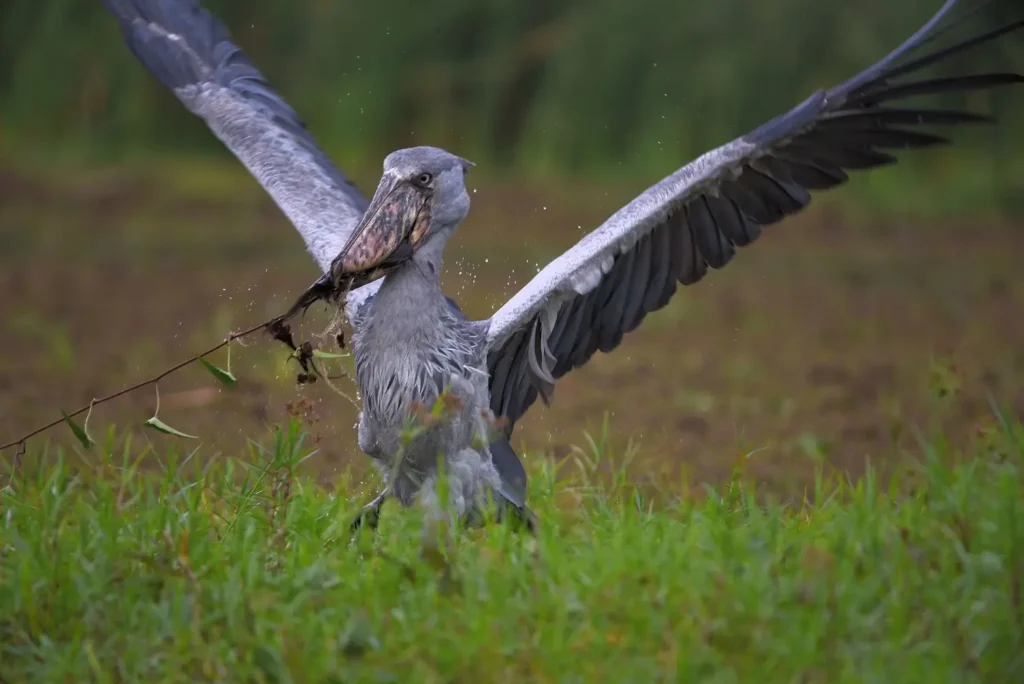
Gleiten durch Mabamba Sumpf mit dem Boot auf der Suche nach dem seltenen, prähistorisch anmutenden Schuhschnabelstorch – einer der meistgesuchten Vogelarten Afrikas in seinem natürlichen Feuchtgebiet Lebensraum.

Wildlife

term-img
Gorilla-Beobachtung
term-img
Primaten
term-img
Vögel
term-img
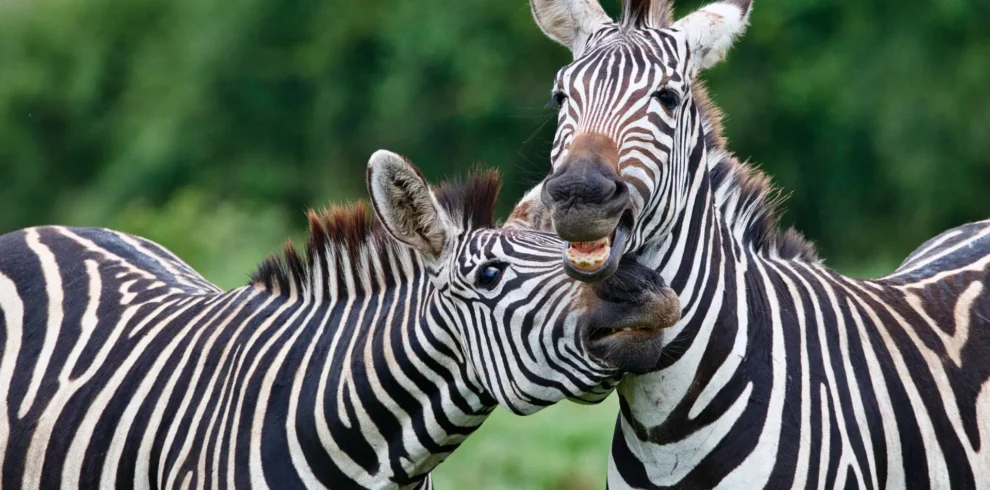
Wald und Savanne Wildtiere (Big Five)

Clients Testimonials

button-prev
button-next

What's Included

  • 4WD custom-built safari vehicle and fuel
  • Accommodation
  • Airport transfers
  • AMREF Flying Doctor Service
  • Dugout Canoe at Lake of Birds (Bunyonyi)
  • Mabamba swamp for Shoebill sighting
  • Meals as per your chosen plan
  • Park entrance fees
  • Professional, English-speaking guide
  • All birding activities
  • Ankole cattle sighting
  • Batwa/pygmies visit
  • Bigodi primate walk
  • Boat ride to the bottom of the Murchison falls
  • Boat tour on Kazinga Channel, Lake Bunyonyi, and the source of the Nile
  • Budongo forest guided walk
  • Game drives in national parks
  • Jessica’s Ugandan home and meal life experience
  • Semuliki hot springs visit
  • Ugandan community day
  • Walk to the top of Murchison falls
  • Walking safari
  • Cultural entertainments
  • Drinking water during trip
  • Fruits along the road
  • Prepaid phone
  • Tree planting
  • Ugandan Rolex

What's Not included

  • International flights
  • Visa fees
  • Travel insurance
  • Personal expenses
  • Laundry services
  • Gratuities/tips
  • Optional activities not specified in the itinerary

Pricing

People USD Room
2 People $ 0 per person

1 Double

4 People $ 0 per person

2 Double

6 People $ 0 per person

3 Double

Location Map

Itinerary

Arrive at Entebbe airport and transfer to your accommodation nearby.

Today we drive north to Budongo Forest Reserve, located at the south-western edge of the Murchison Falls National Park. It is one of the largest forests in Uganda. With over 360 bird species, it’s sure to be a great place to start your bird watching tour of Uganda. After we reach the forest you will take an easy birding walk. How many species will you see today?
Proceed to sleep in Murchison Falls National Park.

We start today with an early bird-watching expedition. The cooler hours of the morning are often the best time to see Yellow-footed Flycatchers (Yellow-footed flycatcher and Illadopsis Puveli are found nowhere else in East Africa), Black-caped Apalis, Yellow-billed Barbet, Blue-breasted and Chocolate-backed Kingfishers, Cassin’s Hawk-eagle, and many other bird species. There are also 290 different types of butterflies. Later, we will transfer to Murchison Falls National Park.

Another early start today. The long boat safari will bring you to the delta of the Nile where you will look for the shy Shoebill. You also have the chance to spot Malachite Kingfishers, Fish Eagles, African Skimmers, Goliath Herons, Saddle-billed Storks, African Jacanas, Yellow-mantled Widowbirds, and Black-winged Red Bishops. In the sandy areas of the Nile, you might spot the nesting and colorful red-throated bee-eaters (depending on the season).

An early morning game drive today – and a chance to see the sunrise across the savannah. Later, enjoy a relaxing afternoon boat ride along the Victoria Nile River where you will encounter animals gathering on the riverbanks and an abundance of crocodiles and hippos. The boat will take you close to the bottom of the thundering Murchison waterfall, where the powerful river Nile forces its way through a gap only 7 meters wide and over 40 meters high

Indulge in a lovely breakfast, then sit back and enjoy the beautiful Ugandan countryside on our drive to Fort Portal.

We drive to Semuliki National Park this morning. It is one of the best birding destinations in Uganda with over 400 species having been recorded here: Chestnut Owlet, Black-casqued Wattled Hornbill, Blue-billed Malimbe, Northern Bearded Scrub-robin, Firey-breasted Bushshrike, Red-eyed Puffback, and Palm Swamp Green Bulbul are just a few of the birds you might spot in this area. Always be prepared with binoculars and a camera ready in order not to miss the opportunity to capture something unusual. We drive on to Kibale Forest National Park later in the day overnight.

In the morning you will take a primate and bird walk at Bigodi Swamp. Papyrus Gonolek, Yellow-rumped and Yellow-throated Tinker Barbets, and Double-toothed Barbets are only a few of the many bird species visible in this area. If you wish, you can also choose to do a chimpanzee tracking expedition, off the beaten track in the forest – a great birdwatching opportunity, also. This needs to be booked in advance. Meanwhile don’t forget to take a birding walk around this great camp.

On our way to Queen Elizabeth National Park, we cross the Equator. Hippos, buffaloes, and a myriad of birds like pelicans, fish-eagle, and different plovers can be spotted during the afternoon boat trip on the Kazinga Channel.

We will start the day with an early morning game drive while many animals are still on the move during the cool part of the day. On a good day, you could see lions, buffalo, elephants, antelopes, and the elusive bush pig and you might even be lucky to spot a leopard! In the afternoon you have time to relax in the lodge and to find the birds in this beautiful area.

Day 11 :
Ishasha!

A leisurely drive through Queen Elizabeth National Park brings us to Ishasha, one of the few regions in Africa where lions can be spotted climbing trees and lounging on branches. Therefore, make sure that during the game drive you are not only looking out over the savannah but also have your eyes focused up on the trees!

The search for the tree-climbing lions continues on the morning game drive. The Broad-billed Roller, Cassin’s Grey Flycatcher, the Ross’s Turaco, the Double-toothed Barbet and Black Bee-eater are just some of the many birds that can be spotted in the rich birding sector of Queen Elizabeth National Park. After, we head to Bwindi Impenetrable National Park. The drive can take from 2 to 5 hours, depending on your chosen accommodation and the condition of the road.

Put your boots on and grab a sturdy walking stick, today is a once in a lifetime experience: Gorilla tracking! It is one of the best Ugandan travel experiences you can have. You will be hiking up in the mountains which can take between 2 to 6 hours depending on how far the Gorillas are. If you don’t want to track the Gorillas you could continue your birdwatching on the Buhoma Waterfall Trail or visit the Batwa community.

Bwindi Impenetrable National Park is known for being the home of mountain Gorillas. However, it is also a special place for birders as there are about 350 bird species, and 23 of them are endemic. Some of the birds you can spot here include the Grey-throated Barbet, Black Bee-eater, Petit’s Cuckooshrike, the Black-billed Turaco, Elliot’s Woodpecker, Red-tailed Bulbul, Dusky and Barred Long-tailed Cuckoos, Bar-tailed Trogon, Yellow-eyed Black Flycatcher, Luhder’s and Doherty’s Bushshrikes and the Black-headed Waxbill.

After an early birding tour, we proceed to Ruhija, another paradise for birds. You can relax here and bird-watch in comfort as most of the birds in this area can be spotted right from your lodge. On the edge of Bwindi, you have a panoramic view of the mountains and the World Heritage Site (Bwindi Impenetrable Forest was made a UNESCO World Heritage Site in 1994, due to its ecological importance).

After breakfast, we head out to Ruhija birding trail, where you will hopefully spot Francolins and various Apalis species, African Green Broadbills and Grauer’s Rush-warblers.

The wonder visit to Kiyebe village day! Today you will visit Kiyebe, the complete wonder village. This is perhaps one of the most remote, and traditional village in Uganda. It is the only village with no access through by road as its main rough mountainous road only stops at the small trading centre called mukyogo a name originating from the only community elephant pond in Uganda. You can plant your own tree, collect honey from the beehive and then if you want, enjoy local and national beers with the villagers.

Today we have the chance to see the following birds in Ecuya: The red-faced Woodland Warbler, Rwenzori Batis, the Blue-headed Sunbird, the Cinnamon Bracken Warbler, Cinnamon-chested Bee-eater, the White-tailed Blue Flycatcher, African Hill Babbler, the Regal and African Harrier-hawks, and Chubb’s Cisticola.

Day 19 :
Lake Mburo!

After breakfast, we will drive 4-5 hours to Lake Mburo National Park. The park has a variety of animals such as leopard, zebra, impala, buffalo and over 300 bird species, many of which you will see on the afternoon game drive. Horseback safaris and boat trips on the lake are also available.

Day 20 :
Lake Mburo!

You will have game drive in the morning and come for a relaxed breakfast. You have option of just relaxing at this lodge and go back for the afternoon game drive to this small but incredible National Park with many chances to just be with animals.

Day 21 :
Lake Mburo!

You can choose to do an optional morning walking safari to get closer to the animals, and it is the best way to spot the birds. When leaving the park

After breakfast, we will drive to Mabamba swamp to search for the shy, prehistoric-looking shoebill. After a farewell dinner (maybe some famous Lake Victoria grilled fish) and drinks, we will drop you at the airport for your flight home. As your plane takes off, we hope you are already starting to plan your next African safari adventure!

Accommodations

Take a look at some of the beautiful places you’ll be staying at during your trip.

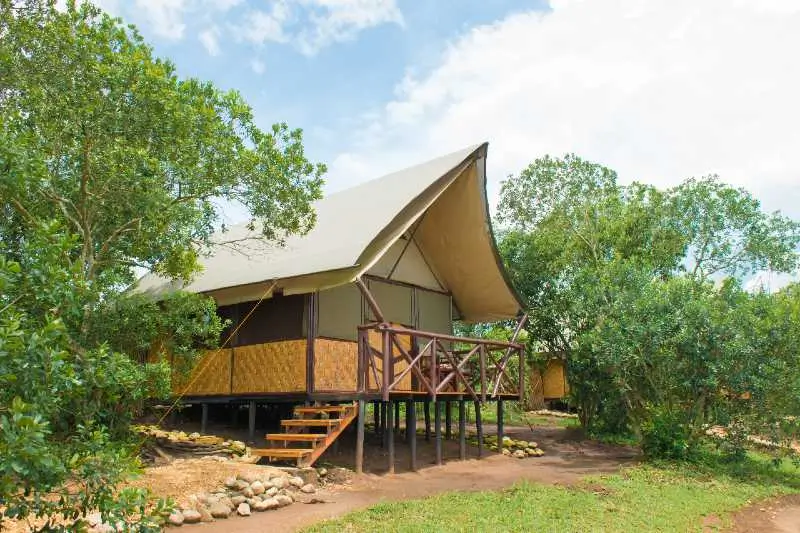
term-img
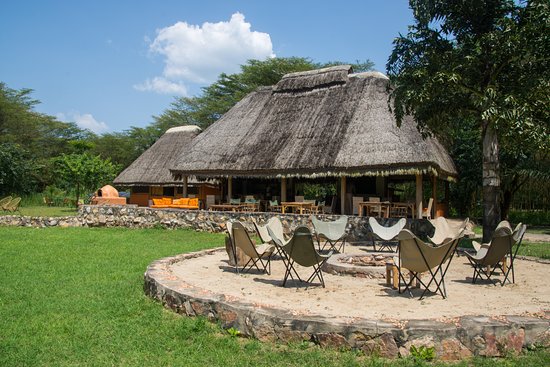
Bush Lodge
Queen Elizabeth Nationalpark, Uganda | Safari-Zelte am Kazinga-Kanal
term-img
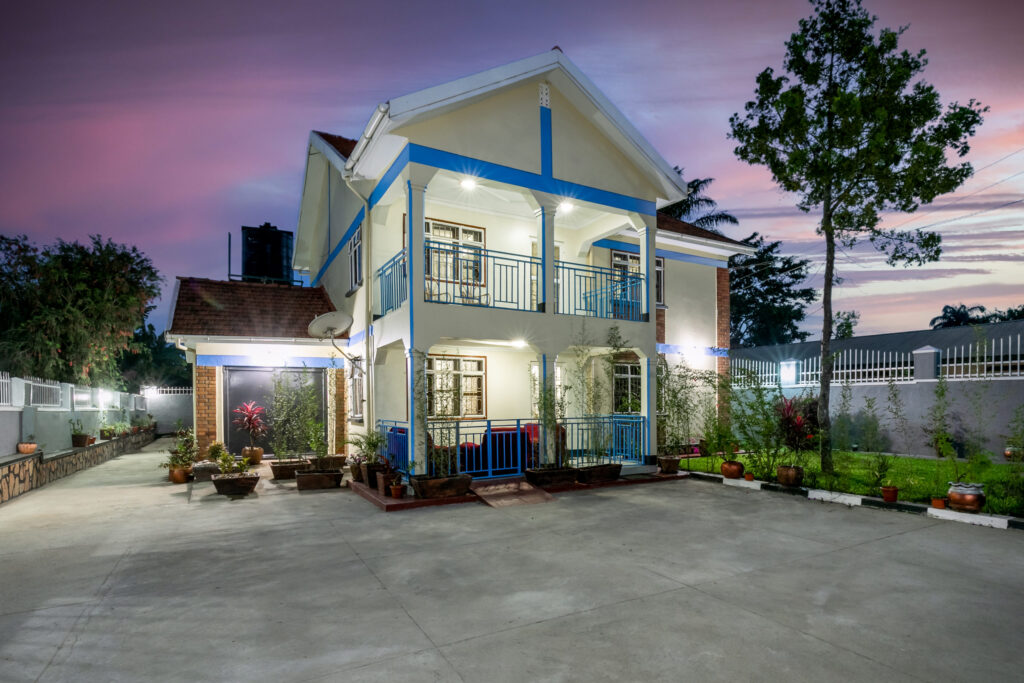
Enjojo Lodge
Ishasha, Queen Elizabeth NP, Uganda | Lodge in der Nähe von baumkletternden Löwen
term-img
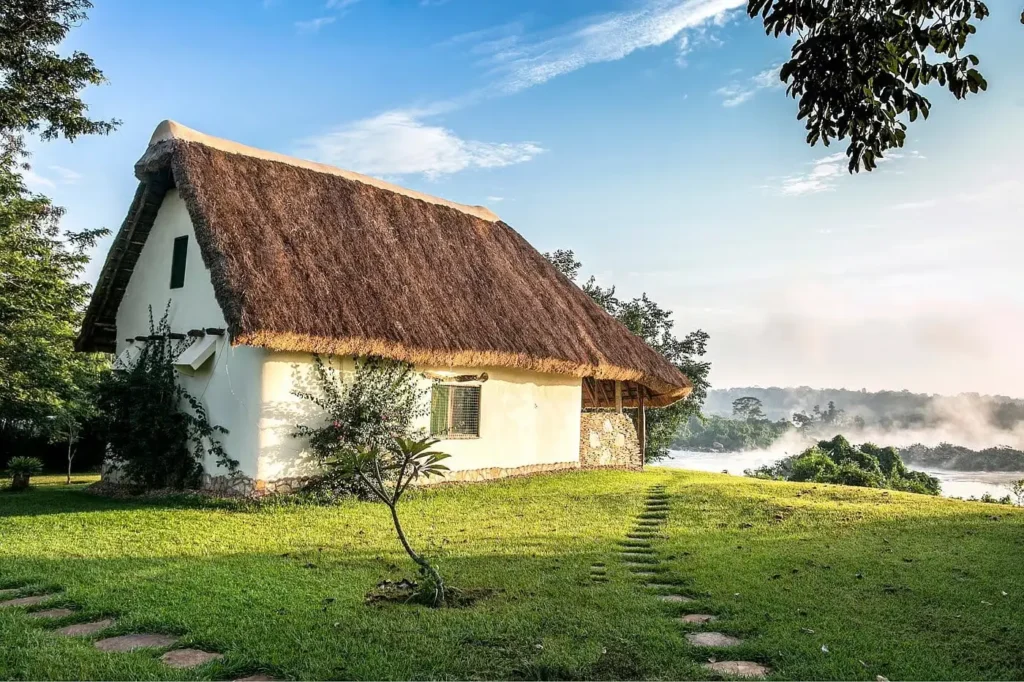
Gorilla Nachbar Gast Haus
Entebbe, Uganda | Gemütlicher Aufenthalt in der Nähe des Viktoriasees
term-img
Hafen Lodge
Buhoma, Bwindi Forest, Uganda | Gemeinschaftseigene Wald Lodge
term-img
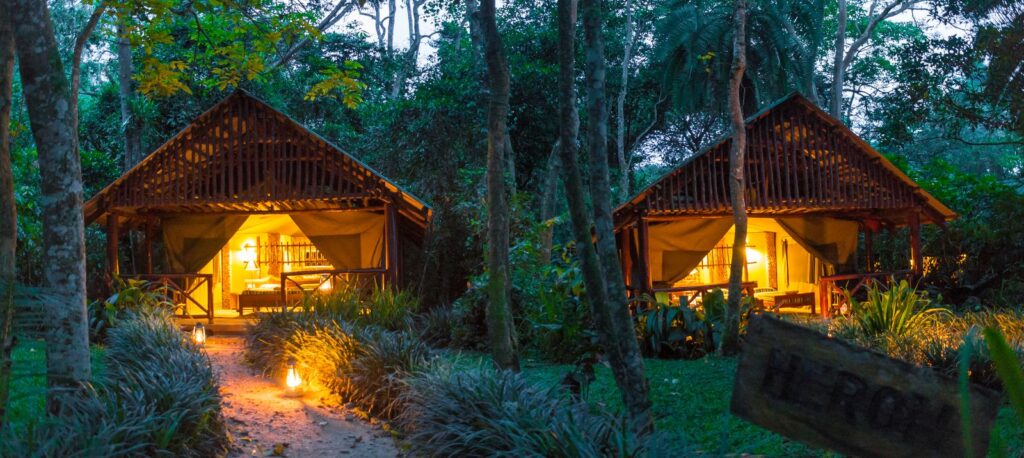
Kibale Wald Camp
Kibale Nationalpark, Uganda | Wald Camp in der Nähe von Schimpansen
term-img
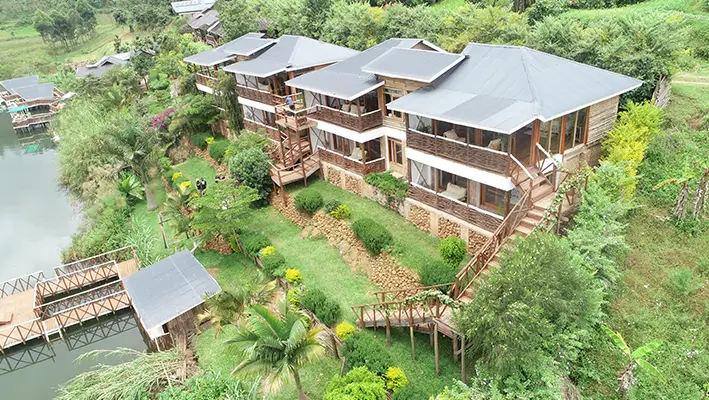
Lake Bunyonyi Rock Resort
See Bunyonyi, Uganda | Malerisches Resort auf einem Hügel
term-img
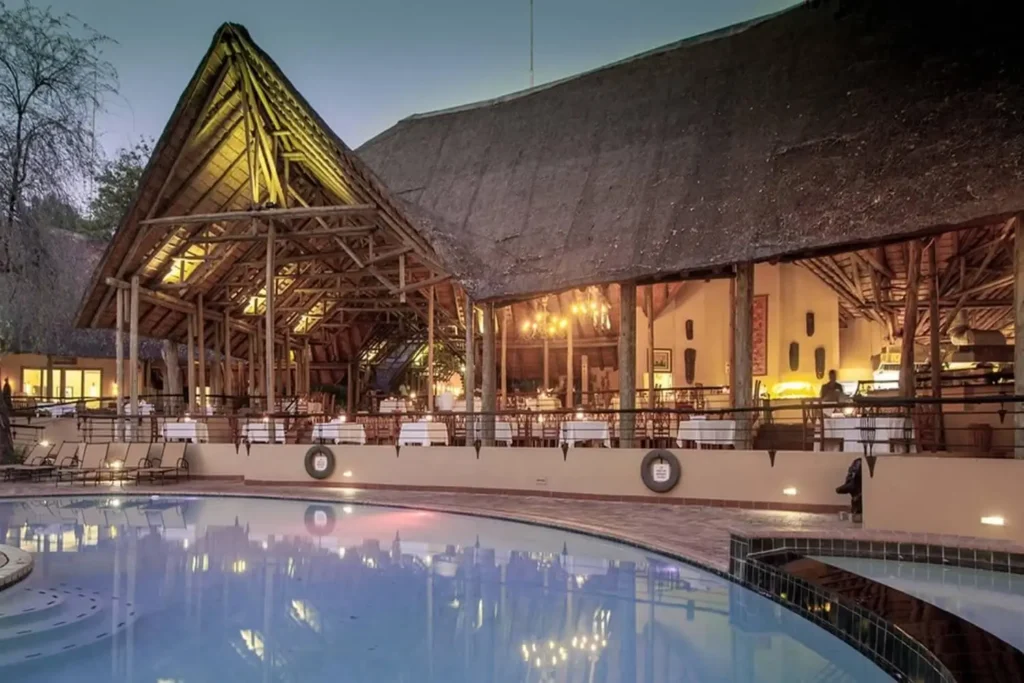
Pack Safari Lodge
Murchison Falls Nationalpark, Uganda | Moderne Lodge am Nil
term-img
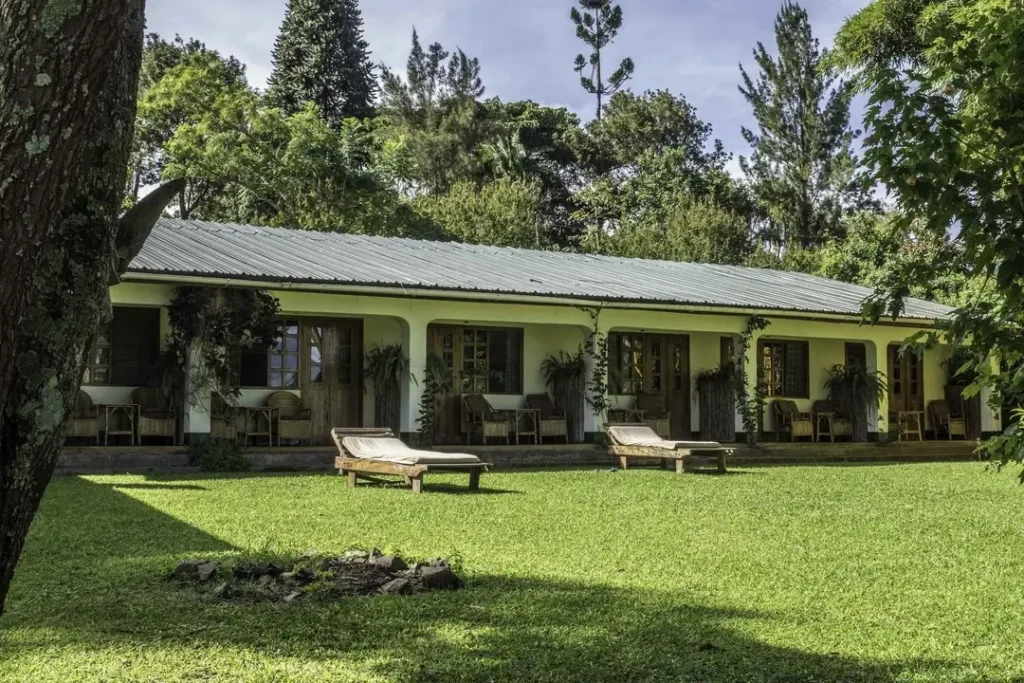
Ruwenzori Ansicht Gästehaus Haus
Fort Portal, Uganda | Gemütliches Gästehaus mit Aussicht
term-img
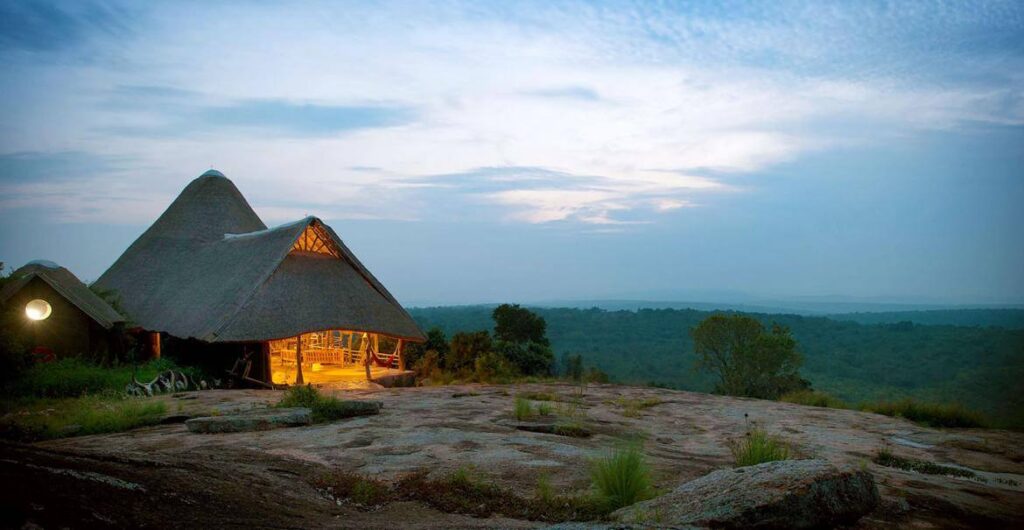
Rwakobo Rock Lodge
Lake Mburo Nationalpark, Uganda | Lodge auf einem malerischen Granitfelsen auf einem Felsen

button-prev
button-next

Frequently Asked Questions – Das Paradies für Vogelbeobachter

What makes this the best Uganda birding safari for serious birdwatchers?

This 22-day itinerary is crafted specifically for birding enthusiasts and ornithologists. You’ll visit key birding hotspots across Uganda, including Budongo Forest, Semuliki, Kibale Forest, Queen Elizabeth National Park, Bwindi, Lake Mburo, and the legendary Mabamba Swamp, known for the elusive shoebill. It covers multiple ecosystems — from wetlands and forests to savannahs and mountains — maximizing your chance of spotting Uganda’s 1,000+ bird species.

Which rare and endemic bird species might I see on this Uganda birding tour?

Depending on conditions, you may spot species like the Shoebill, African Green Broadbill, Ruwenzori Turaco, Green-breasted Pitta, Grauer’s Swamp Warbler, and Papyrus Gonolek. The tour is timed and routed to optimize sightings of both Albertine Rift endemics and classic East African birds.

Does this itinerary include primates or general safari wildlife as well?

Yes! This birdwatching safari is paired with top wildlife and primate experiences, including chimpanzee tracking in Kibale and gorilla trekking in Bwindi. You'll also enjoy game drives in Queen Elizabeth and Murchison Falls National Parks, where you can spot lions, elephants, buffalo, hippos, and more — making this an incredibly well-rounded naturalist’s journey.

What kind of support do birders receive on this trip — is it guided?

You’ll be accompanied by specialist birding guides familiar with Uganda’s diverse species, sounds, and habitats. They’ll help with identification, spotting, and checklists throughout the trip. Most guides bring scopes, field guides, and regional expertise, making this tour ideal for both amateur birders and professional researchers.

Is the Birder’s Paradise Safari suitable for non-birders too?

While designed for bird lovers, the itinerary includes enough landscape diversity, wildlife viewing, and cultural moments to be enjoyable for mixed-interest couples or groups. Stops at places like Lake Bunyonyi, Kiyebe village, and Semuliki hot springs offer variety and relaxation — making it accessible to anyone who enjoys nature, slow travel, and biodiversity.

Have questions about this itinerary? We’re here to help.

All of our itineraries can be adapted to suit your personal interests and preferences. Please feel free to discuss these with us so we can personalize your tour for your maximum enjoyment.

Das Paradies für Vogelbeobachter

Nach oben scrollen

Inquiring About: Das Paradies für Vogelbeobachter

We reply within 24 hours and you talk directly to our team.